|
|
| HOME | CHINA | BRI | SCO | BRICS | AGRIFOODASIA PROJECTS | AA PARTNERS & PRODUCTS | ABOUT US | ||||||||||||||||||
|
AGRICULTURE
China's agriculture is critically important not only for the country's food security and economy but also for the global market. It is the world's largest food producer, consumer and a major employer, and a significant importer and exporter that influences global agricultural prices.
China is the third
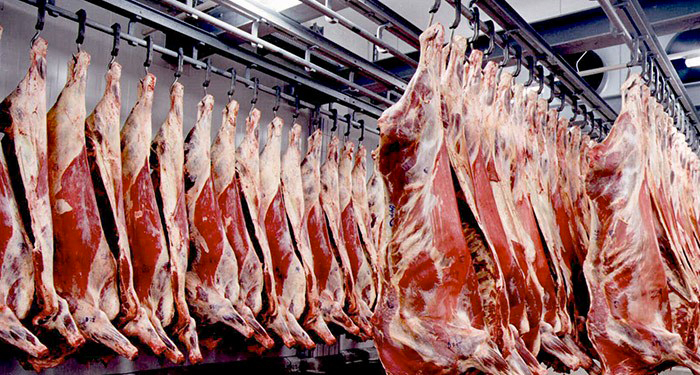
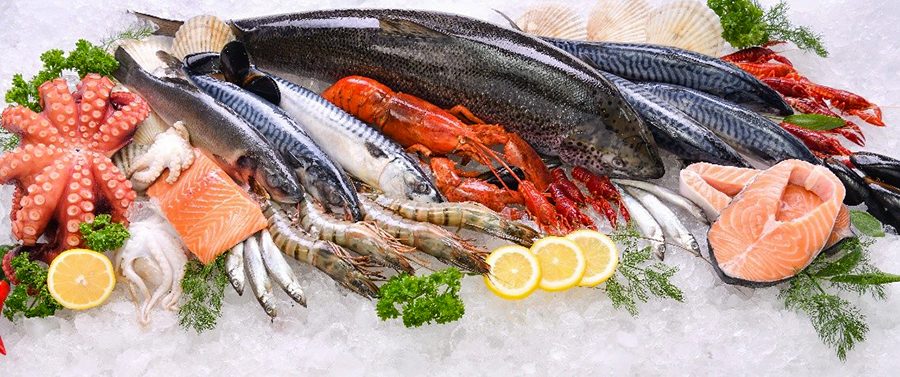
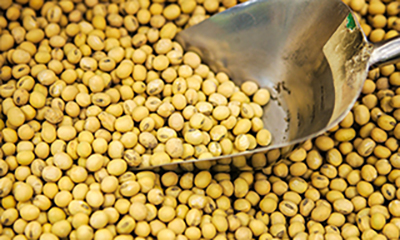
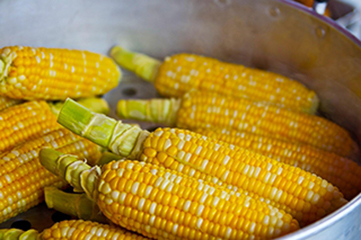
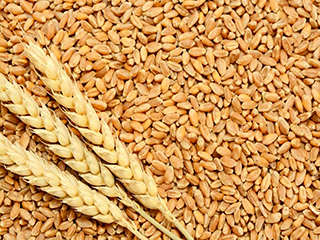
largest country in the world with land mass of Agriculture contributes approximately 7% to China’s GDP. In 2022, approximately 176.6 million people were employed in China's primary sector, which includes agriculture, fishing, and forestry. This number represented about 24.1% of the total employed population for that year. China is a large country but has only approximately 7% of the world’s arable land and the land is mostly hilly and poor quality with scarce water resources. It is remarkable that that it still manages to feed 18% of the world’s population and essentially food self sufficient China has now reached the RED LINE for food production as China is running out of suitable land for food production due to rapid urbanization, industrialization, land degradation and desertification. China is the only country in the world that actively encourages food imports at the government level as China’s food and agriculture sector is not able to produce sufficient high-quality food and agriculture products increasingly needed by the domestic consumers and for export processing. Facing limited arable land, the country relies more and more on intensive farming and technological innovation, including "smart farming" techniques like drones and AI, to increase efficiency and meet food security goals. Key China agriculture products include rice, wheat, and corn, and while China is the world's largest pork producer, it still imports substantial amounts of agricultural goods, such as soybeans, to meet demand. Production and key products
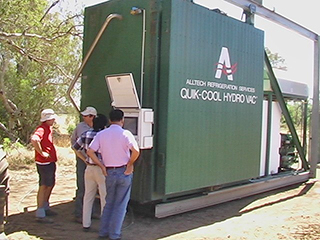
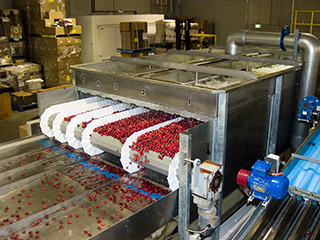
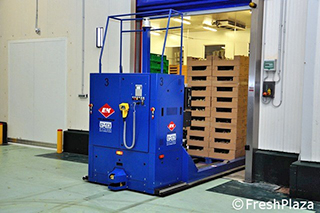
Despite some significant advancements in agricultural and fishery technologies and practices, China’s agriculture sector is relatively backward compares to modern agriculture countries such as US and Australia. Unlike the industrial and manufacturing sectors where China has developed complete and integrated chains from research and commercialization to production, China’s agriculture chain is fragmented, poorly linked and underdeveloped. The most serious shortcoming of China’s agricultural chain is the lack of understanding and appreciation of the importance of postharvest technology, equipment, facilities and management techniques to ensure the loss of product quality of harvested product is minimised. The postharvest losses of China agriculture products after harvest is extremely serious. It is estimated that harvested agricultural product loss is more than 35% compounded by field losses of more than 20%. The Chinese government needs to pay more attention to the development of postharvest technology and management and cold chain systems to help reduce losses of harvested products.
China does not need to use more land, water, labour, energy and farm inputs to produce more food. It just needs to reduce postharvest losses using modern postharvest technologies and equipment. China needs to 现代化, 国际化, 科技化, 工业化, 规模化, 系统化, 信息化, 标准化, 质量化, 市场化, 机器化, 组织化and 安全化 its food and agriculture sector and its industry chain.
|
|||||||||||||||||||||||||
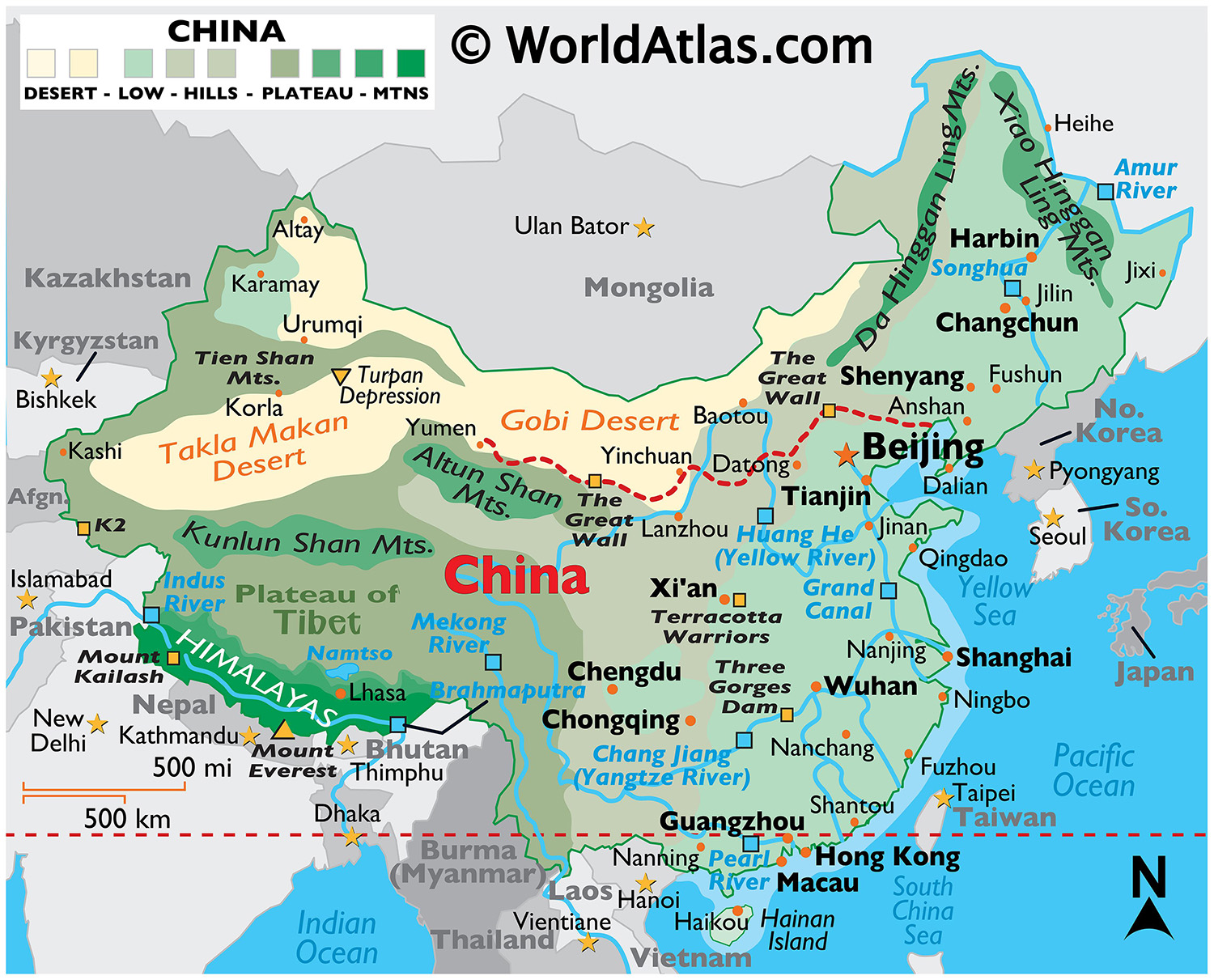
 approximately
9.69 million square km and a diverse climates and topography, from the
fertile plains of the northeast to the grasslands of Inner Mongolia,
supporting various agricultural activities in the tropical south to the
temperate north.
approximately
9.69 million square km and a diverse climates and topography, from the
fertile plains of the northeast to the grasslands of Inner Mongolia,
supporting various agricultural activities in the tropical south to the
temperate north.